

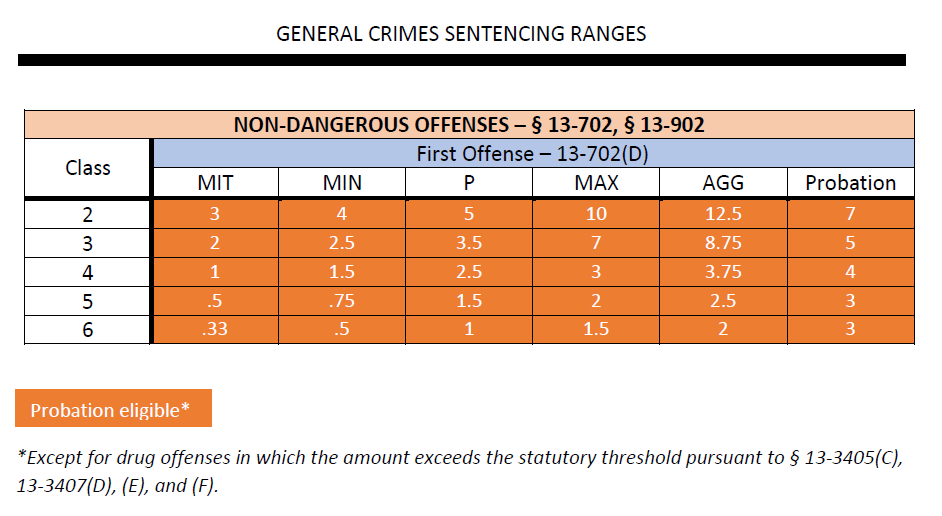
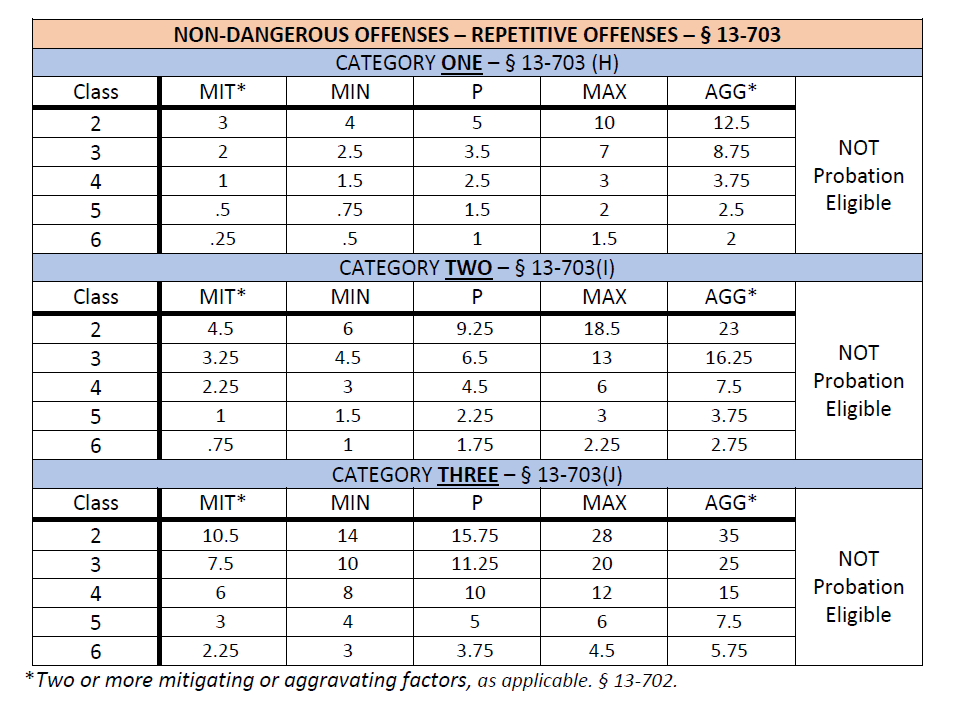
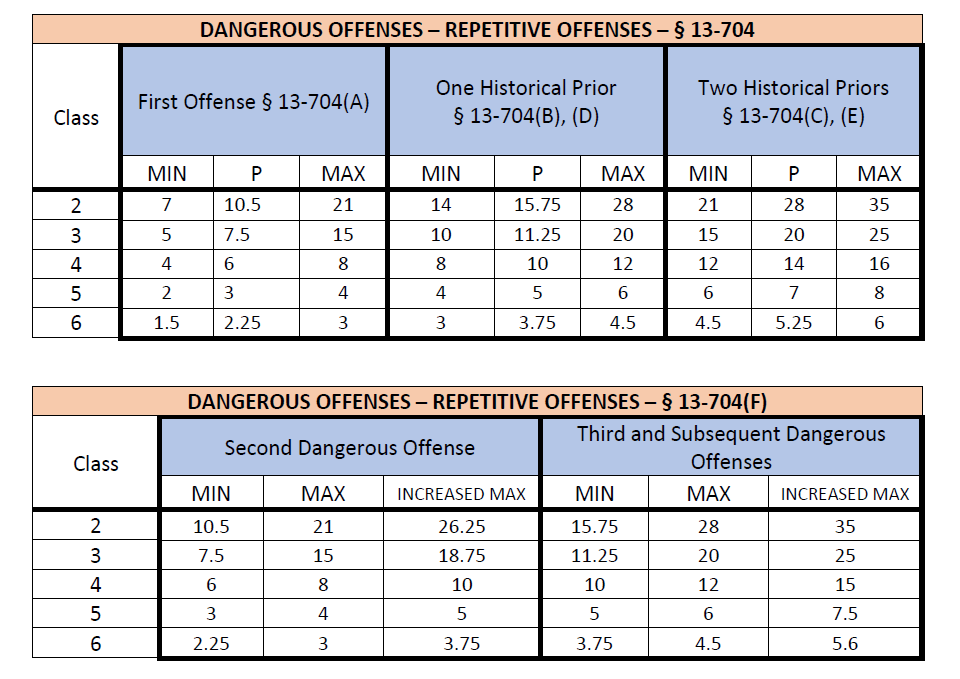
Arizona's sentencing framework includes several important provisions beyond the standard felony classifications. The following apply to specific offense types and circumstances and can significantly affect the sentence a defendant receives.
This is one of the most serious sentencing provisions in Arizona law. A defendant who is 18 years of age or older at the time of the offense and is subsequently convicted of child sex trafficking under A.R.S. § 13-3212 will receive a sentence of natural life imprisonment. This means no possibility of release of any kind. There are no mitigating factors, no early release provisions, and no exceptions under this classification. If you or someone you know is facing charges under this statute, retaining experienced legal counsel immediately is critical.
A felony domestic violence conviction carries an additional sentencing enhancement when the victim was pregnant at the time of the offense, and the defendant had knowledge of that pregnancy. Under this provision, the court may increase the maximum sentence by up to two years beyond what would otherwise apply to the underlying felony classification. This enhancement applies regardless of whether the pregnancy was harmed or affected by the offense.
Arizona law provides for automatic charge escalation in misdemeanor cases involving repeat conduct. If a person is convicted of the same misdemeanor or petty offense within two years of a prior conviction for the same offense, the current charge is elevated to the next higher class of offense. This means what would ordinarily be a Class 1 misdemeanor can become a Class 6 felony for a repeat offender, with significantly greater sentencing consequences.
Arizona courts impose fines differently depending on whether the defendant is an individual or a business entity. For individual defendants, fines can reach up to $150,000 per charge. For enterprises - meaning corporations, partnerships, or other business organizations - fines can reach up to $1,000,000 per charge. These figures apply in addition to restitution, surcharges, and other financial obligations imposed at sentencing.
Convictions for sexual assault in Arizona are sentenced under A.R.S. § 13-1406, which contains its own dedicated sentencing provisions separate from the standard felony classification chart. The sentencing ranges under this statute differ from those that apply to other Class 2 felonies and include provisions for sentence repetition where multiple counts are involved. Anyone facing sexual assault charges should understand that standard felony chart ranges do not fully capture the sentencing exposure in these cases.
Arizona courts have discretion to order community restitution as an alternative to full payment of financial obligations imposed at sentencing. Under this provision, a defendant may perform community service hours credited at the current Arizona minimum wage per hour, which are then applied toward outstanding monetary obligations. This option is available at the court's discretion and does not apply automatically - it must be raised as part of the sentencing discussion. An experienced criminal defense attorney can advocate for this alternative on your behalf where appropriate.
Standard sentencing charts provide a useful starting point, but they do not tell the full story. Enhancements, escalations, and special statutory provisions can dramatically increase the sentencing exposure beyond what the chart alone suggests. Understanding exactly which provisions apply to your specific charges requires a detailed legal analysis.
Contact Feldman Royle Ahl for a free consultation to understand your full sentencing exposure and what options are available to you.
